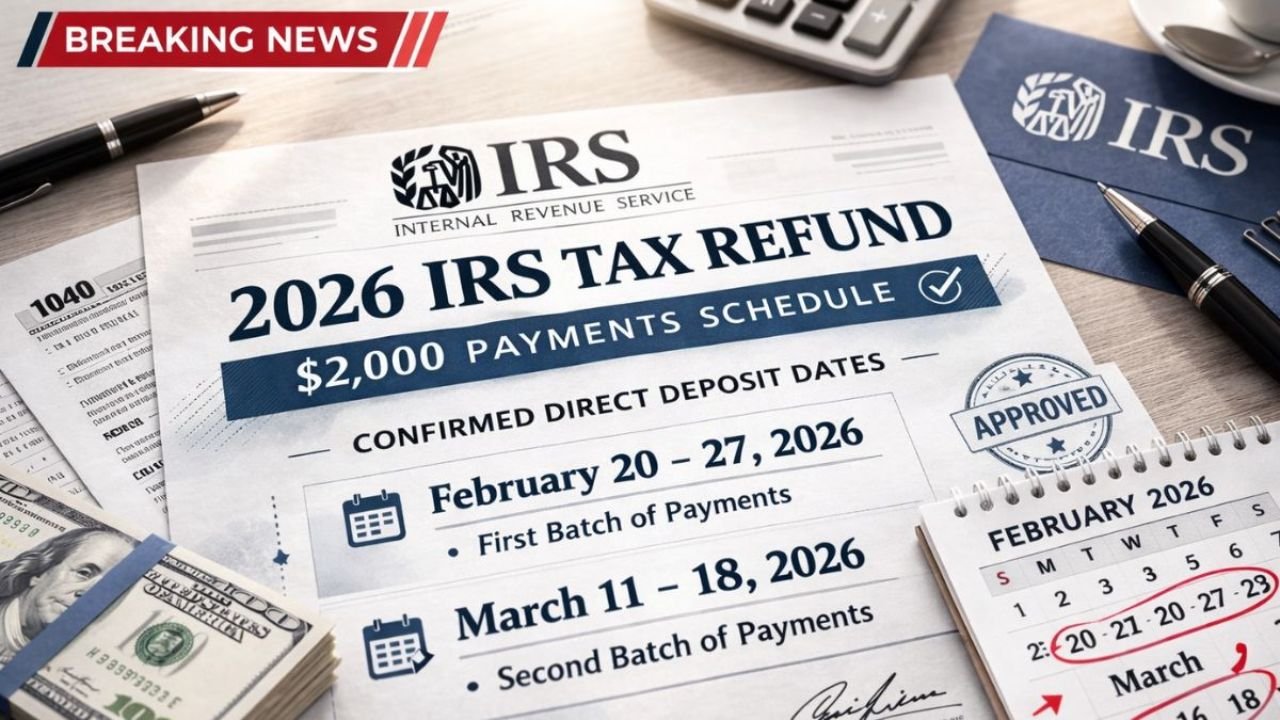
Rumors about possible $2,000 federal deposits have been circulating widely in early 2026, prompting many Americans — especially benefit recipients — to check their bank accounts for unexpected payments. At a time when inflation continues to pressure household budgets, news of financial support spreads quickly.
However, separating verified information from speculation is essential. For recipients of Supplemental Security Income (SSI) and other federal benefits, understanding the official March 2026 payment schedule and eligibility rules can prevent confusion and unnecessary concern.
Understanding SSI and Federal Benefit Payments

Supplemental Security Income (SSI) is administered by the Social Security Administration and provides monthly financial assistance to eligible individuals with limited income and resources, including seniors and people with disabilities.
SSI payments are distinct from Social Security retirement or disability insurance benefits, though some individuals may receive both. Payment timing, eligibility, and amounts are governed by federal guidelines and cost-of-living adjustments.
It is important to note that SSI monthly payments are scheduled and predictable. They are not typically replaced or supplemented by surprise lump-sum deposits unless officially authorized by Congress or announced by federal agencies.
March 2026 SSI Payment Schedule

SSI payments are generally issued on the first day of each month. If the first falls on a weekend or federal holiday, payments are typically sent on the preceding business day.
For March 2026:
- If March 1 falls on a weekday, payment is issued that day.
- If March 1 falls on a weekend, beneficiaries may see deposits at the end of February instead.
Because of this scheduling rule, some recipients occasionally believe a payment is “missing” when it was actually delivered early due to calendar adjustments.
Reviewing the official payment calendar through the Social Security Administration helps clarify these timing shifts.
What About the Reported $2,000 Federal Deposits?
Online discussions about $2,000 deposits often blend multiple programs into one narrative. These conversations may refer to:
- Refundable tax credits
- Retroactive benefit adjustments
- Legislative proposals under discussion
- Targeted relief programs for specific groups
Such payments are not standard SSI monthly benefits. If a federal program authorizes a one-time deposit, eligibility criteria typically apply. These criteria may include income limits, tax filing status, disability classification, or enrollment in certain benefit programs.
Until formally announced by official agencies, speculative payment claims should be treated cautiously.
Why Some Beneficiaries Report “Missing” Deposits
When recipients do not see expected funds, the cause is usually administrative rather than systemic. Common reasons include:
Bank Processing Delays
Even when payments are issued on schedule, banks may take additional time to post deposits, particularly around weekends or holidays.
Updated Banking Information
If account details were recently changed, processing systems may require verification. Incorrect routing or account numbers can result in rejected transfers.
Identity Verification Reviews
Federal agencies conduct identity protection checks to prevent fraud. In rare cases, this can temporarily pause a payment.
Benefit Status Changes
Changes in income, living arrangements, or eligibility documentation can affect monthly SSI amounts.
Beneficiaries who experience unexpected delays should first confirm the payment date based on the official calendar before assuming a deposit was missed.
Direct Deposit vs. Paper Payments
Most federal benefits are distributed via direct deposit, which is the fastest and most secure method. Funds are transferred electronically to the bank account on file.
Recipients without bank accounts may receive payments through paper checks or prepaid debit cards. These methods can take additional time due to printing and mailing processes.
Ensuring your banking details are accurate and up to date significantly reduces the likelihood of disruptions.
Protecting Yourself From Scams
Whenever large federal payments trend online, scam attempts tend to increase. Fraudsters may send text messages, emails, or make phone calls claiming to “release” funds in exchange for personal information.
Federal agencies do not request sensitive banking details through unsolicited communications. Official updates are published only through verified government websites and direct mail correspondence.
If you receive unexpected contact requesting personal data, do not respond. Instead, consult official sources to confirm any payment announcements.
How to Verify Official Updates
The most reliable way to confirm benefit payment information is through:
- The official Social Security Administration website
- Secure online benefit accounts
- Direct communication through authorized government channels
Avoid relying solely on social media posts or unverified online articles for payment confirmation.
Financial Planning Around SSI Payments
For many households, SSI benefits form a critical part of monthly income. Because payments follow a predictable schedule, beneficiaries can build structured budgeting plans around deposit dates.
If a payment appears delayed:
- Check the official payment calendar.
- Confirm your bank account details are correct.
- Allow one additional business day for processing.
- Contact official support channels if the issue persists.
Maintaining an emergency cash buffer, even modest in size, can also help manage short-term uncertainty.
Final Thoughts
As of March 2026, SSI payments continue to follow established scheduling rules administered by the Social Security Administration. While conversations about $2,000 federal deposits are circulating online, eligibility for any special payments depends entirely on official authorization and program-specific requirements.
For most SSI recipients, monthly deposits remain structured and consistent. Staying informed through official sources, maintaining accurate account information, and exercising caution against scams are the best ways to navigate the current environment confidently.
Disclaimer: This article is for informational purposes only. Payment amounts, eligibility rules, and timelines depend on official federal approval and program guidelines. Always verify updates through authorized government sources before making financial decisions.