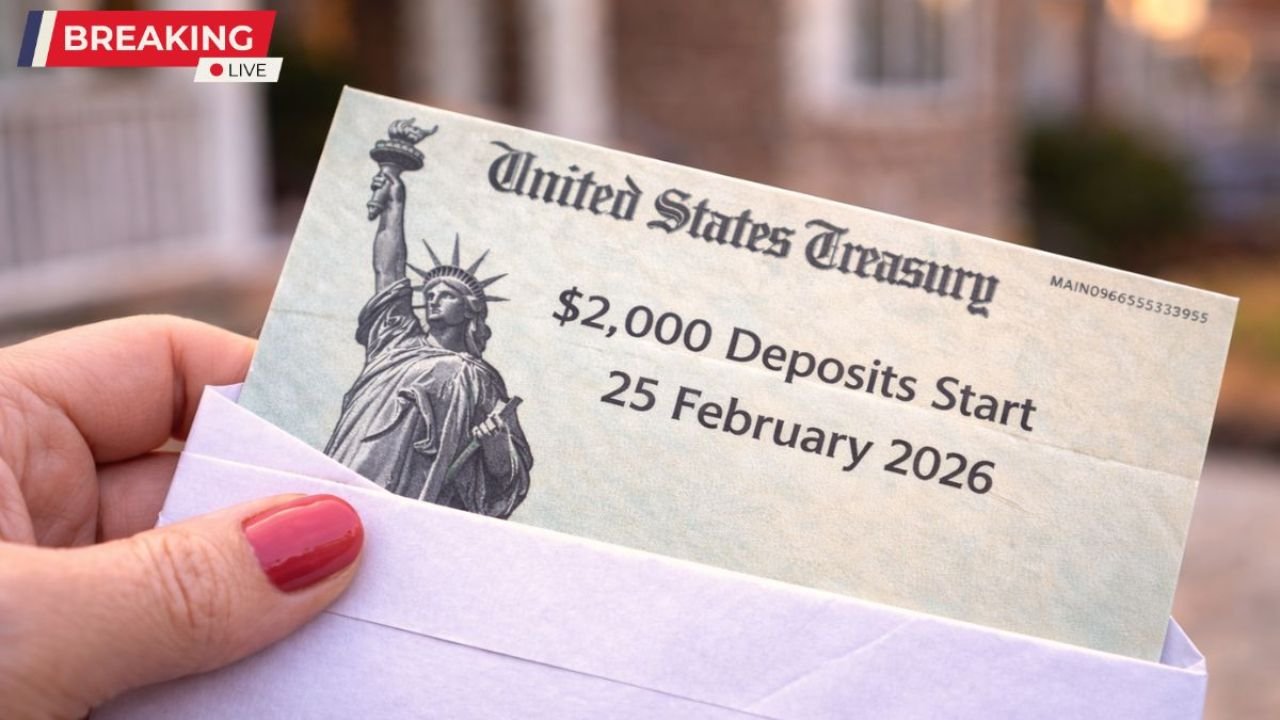
As February 2026 approaches, social media platforms and messaging apps are once again filled with claims that the federal government will issue a $2,000 direct deposit to every American. For households navigating higher living costs, these reports can sound promising — even reassuring.
However, before adjusting budgets or making financial commitments based on viral posts, it is essential to separate speculation from verified information.
Where the $2,000 Rumor Originated

The $2,000 figure gained national attention during prior emergency relief discussions in earlier economic crises. During that period, proposed and approved stimulus packages included widely publicized payment amounts. Because those payments were significant and highly visible, the number continues to resurface whenever economic assistance is discussed.
Yet past relief programs do not automatically signal new ones.
Financial rumors often gain traction because they reference familiar numbers. Repetition online can create the impression of confirmation — even when no new legislation exists.
Is a $2,000 Federal Payment Approved for February 2026?

As of early 2026, there is no nationwide $2,000 stimulus payment authorized by Congress.
For any federal direct payment program to move forward, several formal steps must occur:
- Congress must pass legislation approving the program.
- The President must sign the bill into law.
- Federal agencies must publish official guidance and distribution timelines.
Without these legal and administrative steps, a universal direct deposit program cannot begin.

At this time, no law has been enacted authorizing a broad $2,000 payment to all Americans in February 2026.
How Federal Direct Payments Actually Work
When direct stimulus programs are approved, they are administered by agencies such as the Internal Revenue Service and the United States Department of the Treasury.
These agencies provide clear details regarding:
- Eligibility requirements
- Income thresholds
- Payment amounts
- Distribution schedules
- Methods of delivery (direct deposit, paper check, debit card)
Official announcements are published on government websites and communicated through formal press releases. If a new $2,000 payment were approved, the information would be widely and clearly reported through these official channels.
Why Some People May See Deposits Around $2,000
Although there is no confirmed universal stimulus, some individuals may still notice deposits close to $2,000 during February. In most cases, these funds are linked to regular financial processes rather than a new relief program.
1. Tax Refunds
As the 2026 filing season progresses, many taxpayers who file early receive federal tax refunds. Refund amounts vary based on income, withholding, and refundable credits. It is not unusual for refunds to total around $2,000 depending on personal circumstances.
2. Refundable Tax Credits
Certain credits — such as the Earned Income Tax Credit or Child Tax Credit — can increase refund amounts. These payments are not universal; they are based on eligibility and tax calculations.
3. Cost-of-Living Adjustments
Recipients of federal benefits may see modest payment increases due to annual cost-of-living adjustments. These adjustments are structured changes, not new emergency stimulus programs.
Why Financial Rumors Spread Quickly
Economic uncertainty often creates an environment where hopeful information spreads rapidly. Viral posts frequently include:
- Screenshots without official sources
- Unverified “breaking news” headlines
- Outdated articles shared as current updates
- Misleading interpretations of routine payments
The speed of digital communication can amplify these claims before verification occurs.
For financially disciplined households, relying solely on social media for major budget decisions can introduce unnecessary risk.
How to Verify Federal Payment Claims
When evaluating claims about federal direct deposits, consider the following:
- Check official government websites.
- Look for press releases from federal agencies.
- Confirm whether Congress has passed related legislation.
- Avoid relying on anonymous or unofficial online posts.
Major national payment programs are never implemented quietly. They involve formal legislative action and widespread public communication.
Financial Planning in the Absence of Confirmed Payments
Until an official payment is approved, it is wise to base financial decisions only on confirmed income and resources. Households facing rising costs may consider:
- Reviewing monthly budgets
- Building emergency savings gradually
- Exploring legitimate tax credits
- Consulting qualified financial professionals
Prudent planning offers more stability than relying on unverified assistance rumors.
What Would Happen If a New Payment Is Approved?
If Congress authorizes new federal direct deposits in the future, agencies will announce:
- Exact eligibility rules
- Income phase-out limits
- Distribution dates
- Instructions for non-filers, if applicable
Clear communication would accompany any legitimate relief package.
Final Thoughts
As of early 2026, there is no confirmed nationwide $2,000 federal direct deposit scheduled for February. While online discussions continue to circulate, no formal legislation has authorized such a program.
Staying informed through official government channels remains the most reliable way to separate fact from speculation. In times of economic uncertainty, clarity and verified information are essential tools for sound financial decision-making.
Disclaimer: This article is for informational purposes only and does not provide legal, financial, or tax advice. As of early 2026, no universal $2,000 direct deposit has been officially approved. Government policies and programs may change. Always verify updates through official IRS, Treasury, or other federal sources before making financial decisions.